• Skip to primary navigation
  • Skip to main content
  • Skip to primary sidebar
  • Skip to footer
Window Tint Laws

Window Tint Laws

Window Tint Laws In All 50 States

  • Tinting Resources
  • About Us
  • Contact

Resources

Understanding Different Tint Percentages – The Ultimate Guide

February 1, 2024 by Ryan Pietrzak

What are the different tint percentages

Tinted windows are a popular feature in cars, homes, and offices. They not only provide privacy and reduce the heat inside, but also add a touch of style. However, when it comes to choosing the right tint for your needs, it’s important to understand the different tint percentages and what they mean.

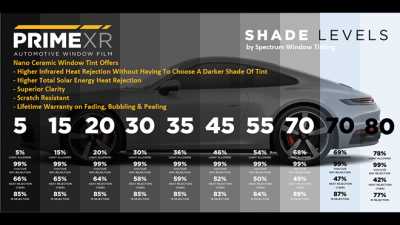
The tint percentage refers to how much light is allowed to pass through the window. For example, a tint with a 20% percentage allows only 20% of the light to pass through, while blocking out 80%. On the other hand, a tint with a 70% percentage allows 70% of the light to pass through, while blocking out 30%. The darker the tint percentage, the less light it allows to pass through.

When deciding on the tint percentage, it’s important to consider your needs and local regulations. In some areas, there are limits on how dark the tint can be, especially for the front windows of cars. It’s a good idea to check with your local authorities to ensure that you are in compliance with the law.

In addition, you should also consider factors such as your comfort level and the purpose of the tint. If you want maximum privacy and heat reduction, a darker tint with a lower percentage would be more suitable. However, if you prefer more visibility and a lighter feel, a tint with a higher percentage would be a better choice.

Overall, understanding the different tint percentages is crucial in making an informed decision. By knowing the amount of light that will be allowed to pass through, you can choose the tint that best fits your needs and preferences.

Understanding Tint Percentages

When it comes to tinting windows, the tint percentage refers to the amount of light that can pass through the window film. It is important to understand these percentages as they can greatly affect the appearance and functionality of the tinted windows.

The tint percentage is typically displayed as a number followed by the symbol “%”. This number represents the amount of visible light transmission (VLT) allowed through the window film. For example, a tint percentage of 50% means that only 50% of the visible light can pass through, while the remaining 50% is blocked.

It is important to note that different states and countries may have different laws and regulations regarding tint percentages. These laws are usually in place for safety reasons and to prevent excessive darkness that can hinder visibility for drivers.

Understanding the different tint percentages can help you choose the right window film for your needs. Here are some common tint percentages and their traits:

  • 5% (Limo Tint): This is the darkest tint percentage available and is often referred to as “limo tint.” It provides maximum privacy and blocks out the most amount of sunlight. However, it can also greatly reduce visibility, especially at night.
  • 20% (Dark Tint): This tint percentage is commonly used for privacy purposes and to reduce heat and glare. It provides a moderate amount of visibility both during the day and at night.
  • 35% (Medium Tint): This tint percentage offers a balance between privacy and visibility. It allows a good amount of light to enter the vehicle while still providing some privacy.
  • 50% (Light Tint): This tint percentage is a popular choice for those who want a slight tint while still maintaining good visibility both during the day and at night.
  • 70% (Nearly Clear): This tint percentage is almost clear and allows a high amount of light transmission. It is often used for cosmetic purposes or to comply with legal tinting restrictions.

When choosing a tint percentage, it is important to consider your local laws, your personal preferences, and the purpose of the window tint. Keep in mind that darker tints may provide more privacy but can also reduce visibility, especially at night. Consulting with a professional tint installer can help you make an informed decision and ensure that your window tint complies with local regulations.

What is Window Tinting?

Window tinting refers to the process of applying a thin film to the windows of a vehicle or building in order to reduce the amount of sunlight that can enter. This film is typically made of a special type of polyester material that is treated to block or absorb certain wavelengths of light.

Window tinting has become popular for several reasons. One of the main benefits is the reduction of heat and glare that can enter a vehicle or building, making it more comfortable for occupants. Window tinting can also help to protect the interior of a vehicle or building from the damaging effects of UV rays, such as fading of furniture or upholstery.

In addition to these practical benefits, window tinting can also provide a sense of privacy and security. By darkening the windows, it can make it more difficult for people outside to see inside, offering a level of privacy for those inside the vehicle or building. It can also help to deter theft, as it makes it more challenging for potential thieves to see valuables inside.

When it comes to window tinting, there are different levels or percentages of tint that can be applied. These percentages refer to the amount of light that is allowed to pass through the tinted film. The most common percentages include 5%, 15%, 35%, and 50%, with 5% being the darkest and 50% being the lightest. The choice of percentage depends on personal preference, as well as any legal restrictions in the area where the tinting is being applied.

To ensure a proper window tinting job, it is recommended to have it done by a professional. They have the knowledge and experience to ensure that the tint is applied evenly and without any imperfections. Additionally, professionals often offer warranties on their work, providing peace of mind for customers.

Why Choose Window Tinting?

Window tinting offers numerous benefits that make it a popular choice among car owners and homeowners alike. Whether you’re looking to enhance the appearance of your vehicle or increase privacy in your home, tinting your windows can be a smart investment.

One of the key reasons to choose window tinting is its ability to block harmful UV rays. The sun’s ultraviolet (UV) rays can cause damage to your skin and lead to premature aging. By adding window tinting to your car or home, you can significantly reduce your exposure to these harmful rays.

Window tinting also helps to keep your interior cool and comfortable, especially during the hot summer months. The tinted film acts as a barrier, preventing the sun’s heat from entering your vehicle or home. This can help to reduce the need for air conditioning and save on energy costs.

Another advantage of window tinting is increased privacy and security. By darkening the windows, you can prevent prying eyes from seeing inside your car or home. This adds a layer of protection and makes it more difficult for potential burglars to determine if there are valuables inside.

Window tinting can also improve the overall aesthetics of your vehicle or home. The sleek and stylish appearance of tinted windows can enhance the look of any car or property. It gives a sophisticated and professional appearance, adding value and appeal.

Lastly, window tinting helps to reduce glare from the sun and headlights, making driving safer and more comfortable. The tinted film minimizes the amount of light that enters the vehicle, allowing for better visibility and reducing eyestrain.

In conclusion, there are several compelling reasons to choose window tinting. From protecting your skin from harmful UV rays to enhancing privacy and improving energy efficiency, window tinting offers a wide range of benefits. Consider investing in window tinting to enjoy a cooler, safer, and more stylish driving or living experience.

Benefits of Different Tint Percentages

Tinting your windows can provide a range of benefits depending on the percentage of tint chosen. Here are the advantages of different tint percentages:

  • 5% Tint: Also known as “limo tint,” this level of tint offers the highest level of privacy and sun protection. It can block up to 95% of UV rays and significantly reduce glare. This level of tint is commonly used for limousines and high-profile vehicles.
  • 15% Tint: With a 15% tint, you will still enjoy a high level of privacy while maintaining good visibility. This level of tint can block around 85% of UV rays, reducing the risk of skin damage caused by sun exposure. It also helps in minimizing interior fading and keeps your vehicle cooler during hot weather.
  • 30% Tint: A 30% tint strikes a balance between privacy and visibility. It provides a moderate level of privacy while still allowing good visibility from inside the vehicle. This level of tint can still block a significant amount of UV rays, protecting your skin and reducing the risk of interior fading.
  • 50% Tint: If you’re looking for a subtle tint that enhances the appearance of your vehicle without sacrificing too much visibility, a 50% tint is a good choice. It offers a mild level of privacy while still allowing enough light to pass through for safe driving. This level of tint can also reduce heat buildup inside the vehicle and block a fair amount of UV rays.
  • 70% Tint: At this level of tint, the primary focus is on heat and UV rejection rather than privacy. A 70% tint provides excellent heat and UV protection while maintaining a high level of visibility. It helps to keep the interior of your vehicle cooler and prevents harmful UV rays from entering.

It’s important to note that the legal tint limits may vary by jurisdiction. Make sure to check your local laws and regulations before tinting your vehicle windows to ensure compliance with the law.

Overall, choosing the right tint percentage for your windows can enhance your driving experience by providing privacy, reducing heat, protecting your skin, reducing glare, and preserving the interior of your vehicle. Consider your specific needs and preferences when deciding on the tint percentage that suits you best.

Factors to Consider When Choosing Tint Percentage

Choosing the right tint percentage for your vehicle windows is an important decision. The tint percentage determines the amount of light that is allowed to pass through the windows and can have various effects on visibility and privacy. Here are some factors to consider when choosing a tint percentage:

  1. Laws and regulations: Before selecting a tint percentage, it is crucial to research the laws and regulations in your area. Different states and countries have different rules regarding the allowable tint percentages for different windows. Make sure to comply with these laws to avoid any legal repercussions.
  2. Visibility: The tint percentage directly affects visibility from inside the vehicle. A darker tint can reduce the amount of visible light and make it difficult to see clearly, especially at night or in low-light conditions. Consider how important visibility is to you and choose a tint percentage accordingly.
  3. Privacy and security: Tinted windows can provide an added level of privacy and security. If you value your privacy and want to prevent others from being able to see inside your vehicle, a higher tint percentage might be suitable. However, keep in mind that extremely dark tints may also attract unwanted attention from law enforcement or potential thieves.
  4. Heat reduction: Tints can help to reduce the amount of heat that enters your vehicle through the windows. The tint percentage determines the level of heat reduction. If you live in a hot climate or want to minimize the amount of heat inside your car, consider selecting a tint percentage that offers good heat reduction.
  5. Aesthetics: The tint percentage can also affect the overall appearance of your vehicle. Some people prefer a subtle tint that enhances the look of their car, while others may want a more dramatic and noticeable tint. Consider your personal preference and the desired aesthetic effect when choosing a tint percentage.

Ultimately, the choice of tint percentage depends on your unique needs and preferences. It is essential to carefully consider these factors and consult with a professional tinting service to ensure that you select the most suitable tint percentage for your vehicle.

Legal Restrictions on Tint Percentages

When it comes to tinting car windows, there are laws and regulations in place that specify the maximum allowable tint percentages for each window. These legal restrictions vary from state to state and are meant to ensure safety on the road by maintaining visibility for drivers and law enforcement.

In general, the front windshield is typically not allowed to have any tint applied, except for a small strip of tint at the top known as the “sun visor” or “eyebrow.” This is because heavily tinted windshields can reduce visibility, especially at night, making it difficult for drivers to see the road and potential hazards.

For the side windows and rear windshield, legal restrictions on tint percentages differ. Some states allow darker tints on these windows, while others have stricter regulations. The most common maximum tint percentages for these windows range from 20% to 70%, with some states allowing lower percentages for rear windows compared to side windows.

It’s important to note that these legal restrictions are typically given as the amount of visible light transmission (VLT), which refers to the percentage of light that can pass through the windows. For example, a tint with 20% VLT means that only 20% of the light can pass through, while the remaining 80% is blocked.

Law enforcement officers often use specialized tools to measure the tint percentage on car windows during traffic stops or inspections. If the tint is found to be darker than the legal limit, the driver may be subject to fines, citations, or even have to remove the tint altogether.

It’s important for car owners to be aware of the legal tint restrictions in their state and comply with them to avoid any legal issues. Additionally, it’s recommended to consult with a professional tint installer who is familiar with the local regulations and can provide the appropriate tint percentages that meet legal requirements.

Video:

Window Tint Comparison: 35% vs 30% vs 25%

Filed Under: Resources

Reasons to Consider Window Tinting – Why People Choose to Tint Their Windows

February 1, 2024 by Ryan Pietrzak

Why do people tint their windows

Window tinting has become increasingly popular over the years, with more and more people choosing to tint their car, home, or office windows. But why do people tint their windows? Is it just for aesthetic purposes or are there practical benefits as well?

One of the main reasons why people tint their windows is for privacy. Tinted windows make it difficult for others to see inside, providing individuals with a greater sense of security and peace of mind. Whether it’s protecting personal belongings in a car or preventing prying eyes from looking into a home or office, window tinting offers an effective solution.

Another advantage of window tinting is that it helps to reduce the amount of heat and glare entering a space. Tinted windows can block a significant amount of the sun’s rays, keeping interiors cooler during hot summer months. This not only enhances comfort but also reduces the need for excessive air conditioning, resulting in energy savings.

Furthermore, window tinting can protect against harmful UV rays. These rays can cause damage to the skin, lead to premature aging, and increase the risk of skin cancer. Tinted windows act as a barrier, blocking up to 99% of UV rays and providing occupants with added protection.

Whether for privacy, heat reduction, or UV protection, window tinting offers numerous benefits. It’s no wonder why more and more people are choosing to tint their windows. So if you’re looking to enhance your privacy, improve energy efficiency, and protect yourself from the sun’s harmful rays, window tinting may be the perfect solution for you.

Increased Privacy and Security

One of the main reasons why people choose to tint their windows is to increase privacy and security. Window tinting helps to create a barrier between the inside of the car or building and the outside world, preventing prying eyes from seeing in.

For vehicles, window tinting can be especially beneficial. It can help keep valuables hidden from view, reducing the risk of theft or break-ins. Tinted windows also make it more difficult for someone to see who is inside the vehicle, making it less likely to be a target for crime.

Tinted windows also provide added privacy for the occupants of a car or building. Whether it’s for personal reasons or professional purposes, having tinted windows can make individuals feel more comfortable and secure. It allows them to go about their business without feeling exposed to the outside world.

In addition to privacy, window tinting can also enhance security. The tinted film helps to strengthen the glass, making it more resistant to shattering. This can be especially important in case of an accident, as the tinted film can prevent shards of glass from causing further harm or injury.

Overall, increased privacy and security are significant factors that drive people to tint their windows. Whether it’s for personal or professional reasons, window tinting can provide peace of mind and a sense of protection.

Protection from prying eyes and potential theft

One of the main reasons why people choose to tint their windows is to protect their privacy and belongings. The dark tinted windows provide a layer of privacy, preventing others from seeing inside the vehicle or building.

This is especially important for individuals who store valuables in their cars or have expensive equipment inside. Tinted windows make it more difficult for potential thieves to see what’s inside, reducing the chances of break-ins and theft.

Additionally, tinted windows can deter criminals by making it harder for them to identify potential targets. When they can’t see who or what is inside a vehicle or building, they are less likely to attempt a theft.

Moreover, tinted windows also provide protection from prying eyes. Whether it’s for personal reasons or professional needs, individuals may prefer to keep their activities private. Tinted windows offer a sense of privacy and seclusion, allowing people to go about their business without unwanted attention.

With the added protection of tinted windows, individuals can feel more secure and confident knowing that their privacy and belongings are better guarded against prying eyes and potential theft.

Reduced Glare

One of the main reasons why people choose to tint their windows is to reduce glare caused by the sun. Glare from the sun can be extremely distracting and can make it difficult to see while driving. Window tinting helps to block out the sunlight and reduce the amount of glare that enters the car. This can greatly improve visibility and make driving safer.

In addition to reducing glare from the sun, window tinting can also help to reduce glare from headlights and other bright lights at night. This is especially beneficial for people who drive at night or in areas with a lot of streetlights.

Reducing glare not only improves visibility, but it also helps to reduce eye strain and fatigue. When driving in bright sunlight or at night with bright lights, your eyes have to work harder to adjust and focus. Window tinting can help to reduce the strain on your eyes and make driving more comfortable.

Overall, reducing glare is one of the main reasons why people choose to tint their windows. It improves visibility, reduces eye strain, and ultimately makes driving safer and more enjoyable.

Improved visibility and reduced eye strain

One of the main reasons why people choose to tint their windows is to improve visibility while driving. Window tinting can reduce glare from the sun, headlights, and other reflective surfaces, allowing drivers to see the road more clearly. This improved visibility can be especially beneficial in bright conditions or during nighttime driving.

In addition to enhancing visibility, window tinting can also help reduce eye strain. When driving in bright sunlight, our eyes are often subjected to increased brightness, which can lead to squinting and strained eyes. Tinted windows can help filter out some of the harsh light, making it easier for our eyes to focus and reducing the risk of eye fatigue and strain.

Furthermore, window tinting can be especially beneficial for individuals who are sensitive to light or suffer from conditions such as migraines or photophobia. By reducing the amount of light that enters the vehicle, tinted windows can provide a more comfortable driving experience for those with light sensitivity.

It’s important to note that each country or region may have specific regulations regarding the level of tint allowed on car windows. It’s essential to check the local laws and ensure compliance with the appropriate tint darkness limits to avoid any legal issues.

Protection from UV Rays

An important reason why people choose to tint their windows is for the protection it provides against harmful UV rays. Exposure to UV rays can have negative effects on our health and well-being, including an increased risk of skin cancer, premature aging, and damage to our eyes.

Tinted windows act as a barrier, reducing the amount of UV radiation that enters the vehicle or building. This helps to protect the occupants from the harmful effects of prolonged sun exposure. Tinted windows can block up to 99% of UV rays, providing a significant level of protection.

Furthermore, tinted windows can also help to protect the interior of a vehicle or building from UV damage. UV rays can cause fading and deterioration of upholstery, flooring, and other surfaces over time. By reducing UV exposure, tinted windows can help to preserve the condition and longevity of these materials.

In addition to protecting our health and preserving the condition of our vehicles or buildings, tinted windows can also provide added comfort. By reducing the amount of UV rays that enter, tinted windows can help to keep interiors cooler, especially on hot sunny days. This can result in a more comfortable environment and reduced reliance on air conditioning, leading to potential energy savings.

It is important to note that not all window tinting films are created equal when it comes to UV protection. High-quality tinting films are designed to provide maximum UV protection without compromising visibility. When choosing a tint, it is advisable to select a film that offers a high percentage of UV blockage to ensure optimal protection.

In conclusion, tinted windows offer valuable protection from harmful UV rays. Whether in vehicles or buildings, tinting windows can help to safeguard our health, preserve the condition of interiors, and provide added comfort. It is a practical and effective solution to reduce the negative effects of UV radiation.

Prevention of sun damage and skin cancer

Tinting your car windows can help prevent sun damage and reduce the risk of skin cancer. When you spend a lot of time driving or riding in a car, you are exposed to harmful ultraviolet (UV) rays that can penetrate through the glass windows. These UV rays can cause damage to your skin and increase the risk of developing skin cancer.

Window tints can block a significant amount of UV rays, reducing the exposure to your skin. This can help prevent sunburns, premature aging, and skin damage such as wrinkles and age spots. By minimizing the amount of UV radiation that reaches your skin, window tints act as a barrier and protect your skin from the harmful effects of the sun.

Moreover, tinted windows also provide protection for the eyes. UV rays can also damage the delicate skin around the eyes and increase the risk of eye diseases such as cataracts. Tinted windows can shield your eyes from excessive UV radiation and reduce the strain on your eyes when driving in bright sunlight.

In addition to the health benefits, tinted windows can also help to keep your car cooler. They can block a significant amount of heat and sunlight from entering the car, which can make a noticeable difference in the temperature inside. This can be especially beneficial during hot summer months or in sunny climates, as it can help reduce the need for air conditioning and make your car more comfortable to drive.

Overall, tinting your car windows is a practical and effective way to protect yourself from sun damage and reduce the risk of skin cancer. It provides a valuable layer of protection against harmful UV rays, preventing skin damage and keeping your car cooler. Consider tinting your windows to enjoy the many benefits it offers for your health and comfort.

Temperature Control

Tinting your windows can significantly improve temperature control inside your car or home. The window tinting film acts as a barrier, reducing the amount of heat that enters the vehicle or building through the windows.

When sunlight passes through regular windows, it carries heat along with it. This can cause the interior temperature to rise, especially during hot summer months. Window tinting helps to block out a significant percentage of the sun’s heat, making the inside space more comfortable and reducing the need for excessive air conditioning.

Window tinting also helps to regulate temperature by preventing heat loss during the winter months. The film can act as an insulator, trapping warm air inside and reducing drafts from the windows. This can lead to energy savings as it reduces the workload on heating systems.

Additionally, window tinting can help to protect your upholstery and furniture from fading due to sun exposure. The film blocks out harmful UV rays that can cause colors to fade and materials to deteriorate. By reducing the amount of sunlight that enters a space, window tinting prolongs the life of your interior decor.

In summary, tinted windows provide effective temperature control by blocking out excess heat during the summer and reducing heat loss in the winter. This improves comfort levels, reduces energy consumption, and protects your belongings from sun damage.

Benefits of temperature control with window tinting:
Reduces heat gain during hot summer months
Improves energy efficiency by reducing the workload on cooling and heating systems
Protects upholstery and furniture from fading
Enhances comfort levels inside the vehicle or building

Reduced heat and increased comfort

One of the main reasons why people choose to tint their windows is to reduce the amount of heat that enters their car or home. Window tinting can help block out a significant amount of heat from the sun, making the interior of the car or building much cooler. This can be especially beneficial in hot climates or during the summer months when temperatures can become unbearable.

By reducing the amount of heat that enters a car or building, window tinting can also help to increase overall comfort. It can help create a more pleasant environment by reducing glare, minimizing the need for air conditioning, and preventing upholstery and furnishings from fading due to sun exposure.

Window tinting can also provide protection against harmful UV rays. The tint can block out a significant amount of these rays, which can be damaging to the skin and eyes. This is especially important for people who spend long periods of time in their car or in buildings with a lot of windows.

In addition to reducing heat and increasing comfort, window tinting can also provide privacy and security. It can make it more difficult for outsiders to see into a car or building, which can help deter theft or vandalism. It can also provide a sense of privacy for individuals inside the car or building, allowing them to feel more at ease.

Video:

How To Tint Windows – Window Tinting For Beginners – Learn To Tint Windows – Tint Training Classes

Filed Under: Resources

Is it possible to tint the windows on a car that is being leased?

February 1, 2024 by Ryan Pietrzak

Can you tint the windows on a leased car

One of the common questions that people ask when leasing a car is whether they can tint the windows. Window tinting is a popular customization that car owners often consider to add style and protect against the sun’s glare and harmful UV rays. However, when it comes to leased vehicles, there may be some restrictions and considerations to keep in mind.

Leasing agreements and restrictions:

When you lease a car, you essentially enter into an agreement with the leasing company to use the vehicle for a specific period of time. During this lease term, the car remains the property of the leasing company. As a result, any modifications or alterations to the vehicle, such as window tinting, may be subject to restrictions outlined in the lease agreement.

Some leasing companies may allow window tinting to a certain extent, provided that it meets specific criteria. For example, they may require that the tint film is within their approved range of darkness or that it is professionally installed. In some cases, the leasing company may even offer window tinting services as an add-on option.

Considerations and potential costs:

Before proceeding with window tinting on a leased car, it is important to consider a few factors. Firstly, consult your lease agreement or contact the leasing company to understand their policy on window tinting. Failure to comply with their guidelines may result in penalties or additional charges when returning the vehicle.

Additionally, keep in mind that removing window tint can be a complex and costly process. When it comes time to return the leased car, you may be responsible for removing the tint and restoring the windows to their original condition. This could involve professional help, which can add to the overall cost.

Conclusion:

While window tinting on a leased car is possible in some cases, it is important to review your lease agreement and consider the potential costs and restrictions involved. It is always recommended to consult with the leasing company and get their approval before making any modifications to the vehicle. By following their guidelines and taking necessary precautions, you can enjoy the benefits of window tinting while avoiding any penalties or complications when returning the leased car.

Impact of Window Tinting on a Leased Car

Impact of window tinting on a leased car

Window tinting can have both positive and negative impacts on a leased car. It is important to consider these effects before deciding to tint the windows.

One positive impact of window tinting is increased privacy and security. Tinted windows make it more difficult for people to see inside the car, which can discourage potential thieves. This can give the lessee peace of mind knowing that their belongings are not easily visible.

Another benefit of window tinting is the reduction of heat and glare inside the car. Tinted windows can block a significant amount of the sun’s heat and radiation, making the interior of the car cooler and more comfortable, especially during hot summer months. This can lead to a more enjoyable driving experience.

However, it is important to note that window tinting can have some negative impacts as well. One potential drawback is reduced visibility, especially at night or in low light conditions. Darker tints can make it more difficult to see objects outside the car, which can be a safety concern. Additionally, heavily tinted windows may also interfere with the operation of electronic devices, such as GPS or mobile phone reception.

Moreover, when it comes to a leased car, there may be restrictions and regulations regarding window tinting. It is essential to consult the terms of the lease agreement before proceeding with any modifications. Violating the lease agreement by tinting the windows could result in fines or penalties.

In conclusion, window tinting can have various impacts on a leased car. The decision to tint the windows should be made after careful consideration of the potential benefits and drawbacks. It is crucial to ensure compliance with lease agreements and local regulations regarding window tinting to avoid any negative consequences.

Window Tinting Regulations and Leased Cars

When it comes to window tinting on leased cars, it is essential to understand the regulations and restrictions that may apply. Window tinting laws can vary from state to state, and it’s important to comply with these regulations to avoid any fines or penalties.

Many lease agreements have provisions regarding modifications to the leased vehicle, including window tinting. Before considering tinting the windows on a leased car, it is crucial to review the terms of the lease agreement to determine if there are any specific restrictions or limitations.

In most cases, leased cars must be returned in their original condition, which means that any modifications, including window tinting, may need to be removed before returning the vehicle. Failure to remove modifications that are not allowed under the lease agreement may result in additional charges or penalties.

Furthermore, it is essential to consider the window tinting laws of the state where the leased car is registered. Each state has specific regulations regarding the allowed level of darkness for window tinting. It is crucial to comply with these regulations to avoid any legal consequences.

A common requirement is that the front side windows must allow a certain percentage of light to pass through. This percentage varies by state but typically ranges from 35% to 70%. Rear and backside windows may have different tinting restrictions, allowing for darker tint percentages.

State Allowed Tint Percentage
California 70% front, 70% rear
Texas 25% front, 25% rear
Florida 28% front, any darkness rear
New York 70% front, any darkness rear

It is crucial to research and understand the specific regulations of the state where the leased car is registered before tinting the windows. Failure to comply with these regulations may result in fines, tickets, or the need to remove the window tinting at a later date.

Ultimately, it is always recommended to consult with the lease agreement and local authorities or professionals specializing in window tinting to ensure full compliance with the regulations and avoid any potential issues when leasing a car.

Removing Window Tint from a Leased Car

If you decide to tint the windows on a leased car, it is important to consider how you will remove the tint when the lease term is up. Most leases require you to return the car in its original condition, which includes having the windows free of any tinting film.

Removing window tint can be a challenging and time-consuming task, especially if the film has been installed improperly or for a long time. It is not recommended to try removing the tint yourself, as it can easily damage the window and may result in additional costs when returning the leased car.

Instead, it is best to seek professional help to remove the window tint safely and effectively. Professional tint removal services have the necessary tools and experience to remove the tint without damaging the glass. They use specialized techniques such as heat application and adhesive removers to ensure a clean and non-damaging removal process.

Prior to returning the leased car, it is advisable to have the window tint removed professionally. This will help avoid any penalties or additional charges that may be incurred if the tint is not properly removed. Be sure to keep receipts or any documentation as proof of the tint removal, in case any disputes arise with the leasing company.

Benefits of professional tint removal: Drawbacks of self-removal:
– Safe and effective removal – Potential damage to windows
– Specialized tools and techniques
for clean removal
– Time-consuming process
– Avoid penalties and additional charges – Lack of expertise and experience
– Proper documentation for lease return – Inability to remove stubborn tint

Overall, removing window tint from a leased car should not be attempted as a DIY project. It is best to rely on professionals who have the knowledge and expertise to remove the tint without causing any damage. By doing so, you can ensure a smooth lease return process and avoid any unnecessary costs or penalties.

Benefits of Window Tint on a Leased Car

Window tinting can provide numerous benefits to a leased car. Here are some of the main advantages:

1. Enhanced Privacy Tinted windows can offer increased privacy for both the driver and passengers. They can greatly reduce the visibility into the car, providing a sense of security and allowing for a more enjoyable and comfortable ride.
2. Protection from UV Rays Window tint film can block up to 99% of harmful UV rays from the sun. This can help protect the interior of the car from fading and cracking, as well as shield the occupants from potential health risks associated with prolonged exposure to the sun.
3. Heat Reduction Tinted windows can significantly reduce the amount of heat that enters the car. This can help keep the interior cooler, especially during hot summer days. By reducing the need for excessive air conditioning, window tint can also contribute to improved fuel efficiency.
4. Glare Reduction Tinted windows can effectively reduce glare caused by direct sunlight or bright headlights. This can greatly improve visibility and reduce eye strain, making driving safer and more comfortable.
5. Interior Preservation Window tint can protect the interior of the leased car from fading, cracking, and discoloration caused by sun exposure. This can help maintain the car’s resale value and keep it looking newer for longer.
6. Enhanced Aesthetics Tinted windows can add a sleek and stylish look to a leased car. They can enhance the overall appearance of the vehicle and give it a more sophisticated and premium feel.

In conclusion, window tinting can offer several benefits to a leased car, including enhanced privacy, protection from UV rays, heat reduction, glare reduction, interior preservation, and enhanced aesthetics. Consider adding window tint to your leased car to enjoy these advantages.

Window Tint and Lease Agreement

When leasing a car, there are certain restrictions and expectations outlined in the lease agreement. These agreements typically cover numerous aspects of the vehicle’s condition and usage, including modifications and alterations. One common question that arises is whether tinting the windows of a leased car is allowed.

The answer to this question depends on the specific terms of your lease agreement. It is crucial to thoroughly review your lease agreement and consult with the leasing company or dealership before making any modifications to the vehicle.

Some lease agreements may allow window tinting within certain guidelines, such as specific tint percentages or tint films approved by the manufacturer. If window tinting is permitted, it is essential to ensure that the installation is performed professionally and does not damage the vehicle’s windows or defrosting system. Failure to comply with these guidelines may result in penalties or charges upon returning the leased car.

On the other hand, certain lease agreements explicitly prohibit any modifications, including window tinting. If your lease agreement does not allow window tinting, it is important to abide by these terms to avoid any potential consequences.

In summary, the permissibility of window tinting on a leased car depends on the specific lease agreement. Always review your agreement and seek clarification from the leasing company or dealership before making any modifications to the vehicle. Violating the lease agreement may result in financial penalties or other complications when returning the leased car.

Alternatives to Window Tint for a Leased Car

While window tinting is a popular option for adding privacy and reducing heat inside a car, it may not be suitable for a leased vehicle due to restrictions or potential damage to the windows. Fortunately, there are alternative ways to achieve similar benefits without altering the windows tint. Here are some alternatives to consider:

1. Sunshades: Sunshades are affordable and easy to install. They can be placed on the interior of the windows and provide protection from the sun’s rays and heat. Sunshades come in various sizes and designs, allowing you to choose one that fits your leased car’s windows perfectly.

2. Window curtains: Similar to sunshades, window curtains can be hung on the interior of the windows to block sunlight. They are available in different colors and styles, allowing you to customize the look of your car’s interior while keeping it cool and private.

3. Privacy screens: Privacy screens are designed to attach to the windows and provide additional privacy. These screens are usually made of mesh material, allowing you to see out while preventing others from seeing inside the car. Privacy screens are a great option if you want to maintain your privacy without altering the car’s windows.

4. Reflective window covers: Reflective window covers are placed on the exterior of the windows and help to block sunlight and heat. They are made of reflective material that reflects the sun’s rays, keeping the interior of the car cool. Reflective window covers are easy to install and remove, making them a convenient alternative for a leased car.

5. Parking in shaded areas: One of the simplest alternatives to window tinting is to park your leased car in shaded areas whenever possible. This can help reduce the amount of sunlight and heat that enters the vehicle, keeping it cooler.

6. Using sunshades for the windshield: The windshield is one of the main areas where heat and sunlight enter a car. Using a sunshade specifically designed for the windshield can significantly reduce heat and glare. These sunshades are easy to install and can be folded away when not in use.

7. UV-protective window films: If your leased car allows for removable accessories, you may consider using UV-protective window films. These films can be applied to the interior of the windows and help block harmful UV rays while maintaining visibility. However, it is important to check with your leasing agreement or the car manufacturer before applying any window films to ensure it is allowed.

While window tinting may not be an option for a leased car, there are several alternatives available to help achieve similar benefits. Whether it’s sunshades, window curtains, privacy screens, reflective window covers, parking in shaded areas, using sunshades for the windshield, or UV-protective window films, you can find a solution that suits your needs and keeps your leased car comfortable and protected.

Video:

Tesla Lease Return | What’s The Process | Lots Of Surprises |

Filed Under: Resources

Do Mazda CX-5 vehicles include factory tinted windows?

February 1, 2024 by Ryan Pietrzak

Does mazda cx-5 come with tinted windows

If you’re considering purchasing the Mazda CX-5, one of the questions that may be on your mind is whether or not it comes with tinted windows. Tinted windows can offer numerous benefits, including privacy, reduced glare, and protection against harmful UV rays.

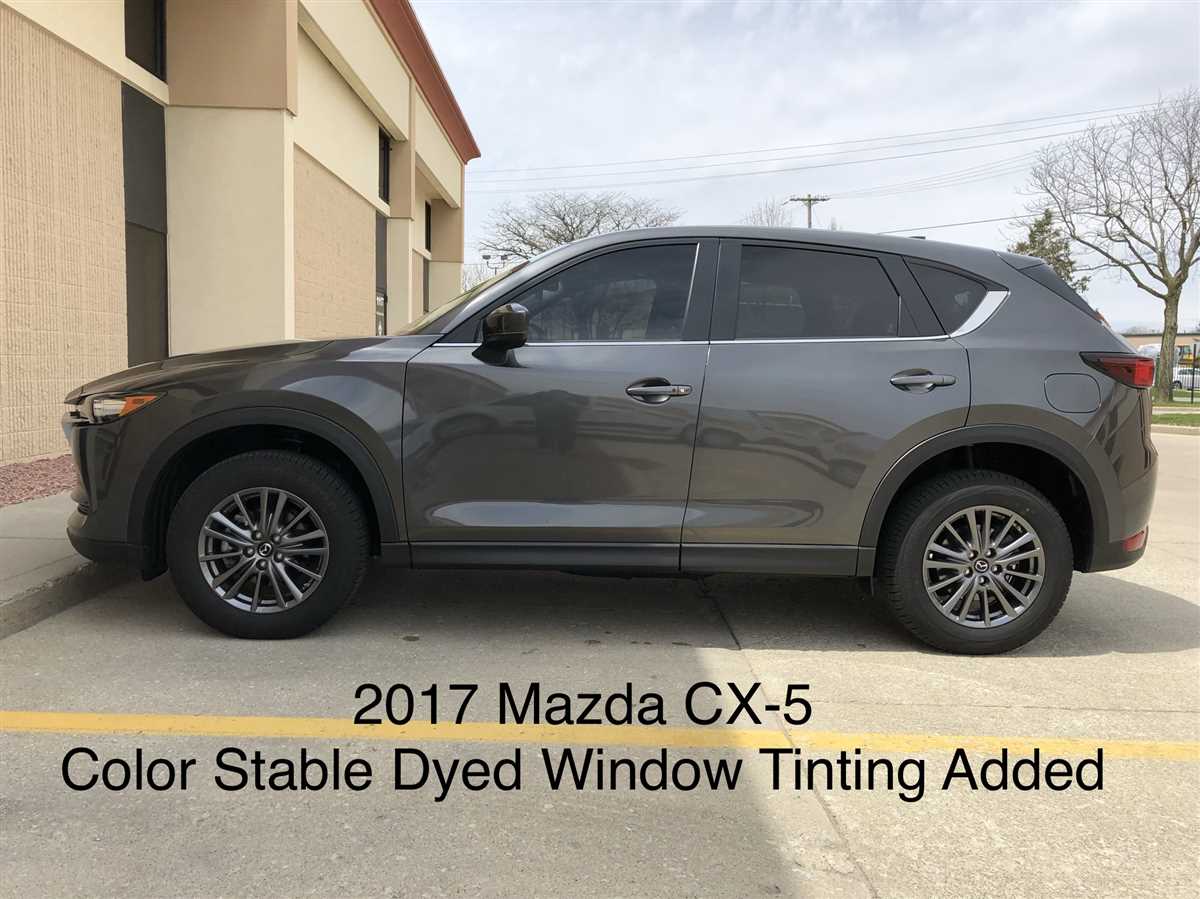
Unfortunately, the Mazda CX-5 does not come standard with tinted windows. However, that doesn’t mean you can’t have them installed. Many dealerships offer tinting services, allowing you to customize your CX-5 to your preferences.

When considering tinting your windows, it’s important to research the local laws and regulations in your area. Some states have restrictions on how dark the tint can be, so it’s crucial to ensure that you comply with the law to avoid any potential legal issues.

Whether you choose to get tinted windows or not, the Mazda CX-5 still offers a fantastic driving experience. With its stylish design, comfortable interior, and advanced safety features, the CX-5 is a popular choice among SUV enthusiasts. So, while tinted windows may not come standard, there are plenty of other reasons to consider the Mazda CX-5 for your next vehicle.

Overview of Mazda CX-5

The Mazda CX-5 is a compact crossover SUV that offers a combination of style, comfort, and performance. It is known for its sleek design and sporty handling, making it a popular choice among drivers who want both practicality and style.

One of the standout features of the Mazda CX-5 is its versatile interior. The spacious cabin can comfortably seat up to five passengers, and there is ample cargo space to store all your belongings. The seats are supportive and well-cushioned, ensuring a comfortable ride even on long journeys. Additionally, the CX-5 comes with a host of technology features, including a touchscreen infotainment system and advanced safety features.

When it comes to performance, the Mazda CX-5 delivers. It is available with two engine options: a 2.5-liter four-cylinder engine that produces 187 horsepower and a turbocharged 2.5-liter four-cylinder engine that delivers 227 horsepower. Both engines are paired with a smooth-shifting automatic transmission, providing a responsive and enjoyable driving experience.

In terms of fuel efficiency, the CX-5 performs impressively. It offers competitive fuel economy ratings, allowing you to save money on fuel costs. Additionally, the CX-5 comes with Mazda’s i-Activsense suite of driver assist features, providing an extra layer of safety and peace of mind on the road.

Overall, the Mazda CX-5 is a reliable and stylish compact SUV that offers a comfortable and enjoyable driving experience. Whether you’re commuting to work or embarking on a weekend adventure, the CX-5 has the versatility and performance to meet your needs.

Advantages:

Advantages:

The Mazda CX-5 is a popular choice among SUV enthusiasts, and it comes with a range of advantages that make it a great option for buyers. Here are some of the key advantages of the Mazda CX-5:

1. Stylish Design: The Mazda CX-5 features a sleek and modern design that sets it apart from other SUVs in its class. With its bold lines, athletic stance, and striking grille, the CX-5 is sure to turn heads wherever it goes.

2. Superior Handling: Mazda is known for its commitment to driving dynamics, and the CX-5 is no exception. It offers precise steering, excellent road grip, and a smooth ride, making it a pleasure to drive on both city streets and highway.

3. Comfortable and Spacious: The CX-5 offers a well-designed and spacious interior that can comfortably seat five passengers. The seats are supportive and comfortable, and there is ample head and legroom for both front and rear passengers. Additionally, the CX-5 provides generous cargo space, making it ideal for hauling groceries, luggage, or sports equipment.

4. Advanced Safety Features: Mazda prioritizes safety, and the CX-5 is equipped with a range of advanced safety features to protect its occupants. These include blind spot monitoring, rear cross traffic alert, adaptive cruise control, lane departure warning, and more.

5. Fuel Efficiency: The Mazda CX-5 offers impressive fuel efficiency, thanks to its efficient Skyactiv engine technology. This means you can enjoy a fun and spirited driving experience without sacrificing fuel economy.

6. Luxurious Features: The CX-5 comes with a range of luxurious features that enhance comfort and convenience. These include a premium Bose sound system, leather-trimmed seats, a power-adjustable driver’s seat, keyless entry, and a user-friendly infotainment system.

7. Excellent Reliability: Mazda vehicles are known for their reliability and durability, and the CX-5 is no exception. It is built with high-quality materials and components, ensuring that it will serve you well for years to come.

The Mazda CX-5 offers a combination of style, performance, comfort, and safety, making it a standout choice in the SUV market. Whether you’re seeking a reliable family vehicle or a stylish and fun-to-drive SUV, the Mazda CX-5 is worth considering.

Benefits of Having Tinted Windows

Tinted windows can bring several benefits to your Mazda CX-5, including:

Privacy and Security Tinted windows can provide an extra layer of privacy by limiting the visibility into your vehicle. This can help protect your valuables from potential thieves.
UV Ray Protection Tinted windows can block harmful UV rays from entering your vehicle. This can help prevent skin damage and reduce the risk of skin cancer, especially during long drives or in sunny climates.
Cooler Interior Tinted windows can significantly reduce the amount of heat that enters your vehicle. This can help keep your interior cooler, especially during hot summer days. It can also reduce the need for excessive air conditioning, which can save fuel and improve overall fuel efficiency.
Glare Reduction Driving with tinted windows can help reduce glare from the sun, headlights, and other sources. This can improve your visibility and make your driving experience safer and more comfortable.
Interior Preservation Tinted windows can protect the interior of your Mazda CX-5 from sun damage, such as fading or cracking of the dashboard, seats, and other surfaces. This can help preserve the overall condition and resale value of your vehicle.
Style and Aesthetics Tinted windows can enhance the appearance of your Mazda CX-5, giving it a sleek, modern look. It can also add a touch of sophistication and customization to your vehicle.

Overall, tinted windows can offer numerous benefits, including privacy, UV ray protection, cooler interior, glare reduction, interior preservation, and improved style. Consider tinting the windows of your Mazda CX-5 to enjoy these advantages.

Market Demand:

The Mazda CX-5 is a popular choice among car buyers, and the market demand for this vehicle is quite strong. As more and more people are looking for versatile and spacious SUVs, the CX-5 stands out as an attractive option.

One factor that contributes to the high market demand for the CX-5 is its stylish design. The vehicle has a sleek and modern look that appeals to a wide range of consumers. Additionally, the CX-5 offers a comfortable and luxurious interior, which is another draw for potential buyers.

Another reason for the strong market demand is the CX-5’s impressive performance. It comes with a range of powerful engine options, providing drivers with the ability to choose the level of performance that suits their needs. The vehicle also offers excellent fuel efficiency, which is a significant consideration for many car buyers.

In terms of safety, the CX-5 is equipped with advanced features and technologies to ensure the protection of both the driver and passengers. This focus on safety is highly appealing to buyers, particularly those with families.

Overall, the Mazda CX-5’s combination of style, performance, fuel efficiency, and safety features make it a sought-after vehicle in the market. The strong market demand for the CX-5 is a testament to its popularity and appeal to consumers looking for a reliable and versatile SUV.

Consumer Preferences for Tinted Windows

Consumer preferences for tinted windows in automobiles vary depending on personal aesthetic preferences, desired levels of privacy, and functional benefits. Tinted windows can enhance the appearance of a vehicle and provide a sleek, sophisticated look. Many consumers appreciate the added privacy that tinted windows offer, as they can help to shield the occupants from prying eyes and reduce the glare from the sun.

In addition to the aesthetic and privacy benefits, tinted windows can also provide functional benefits. By reducing the amount of heat that enters the vehicle, tinted windows can help to keep the interior cooler, reducing the need for excessive air conditioning and saving on fuel costs. Tinted windows can also help to block harmful UV rays, which can protect the occupants’ skin and prevent interior materials from fading or cracking.

Advantages of Tinted Windows: Disadvantages of Tinted Windows:
Enhanced appearance Restricts visibility at night
Added privacy Legal restrictions
Reduced heat and glare Increased cost
Protection from UV rays Possible difficulty with window maintenance

While tinted windows offer numerous benefits, it is important for consumers to consider potential disadvantages as well. Tinted windows can restrict visibility, especially at night, making it more difficult to see clearly. Some jurisdictions also have legal restrictions on the level of tint that is allowed on vehicles. Additionally, tinting windows can increase the cost of the vehicle, especially if it is not included as a standard feature.

Overall, consumer preferences for tinted windows will vary based on individual needs and preferences. However, many consumers appreciate the aesthetic, privacy, and functional benefits that tinted windows can provide.

Mazda CX-5 Features:

The Mazda CX-5 is a compact SUV that offers a range of features designed to enhance your driving experience and ensure your safety and comfort on the road.

Advanced Safety Technologies:

The Mazda CX-5 is equipped with advanced safety technologies to help you stay safe on the road. These include features such as a blind spot monitoring system, rear cross traffic alert, and lane departure warning system. These technologies work together to provide you with added peace of mind while driving.

Skyactiv Technology:

The Mazda CX-5 features Skyactiv Technology, which is a holistic approach to vehicle design that aims to optimize performance and fuel efficiency. This technology includes a lightweight body and chassis, advanced engine technology, and efficient transmissions. The result is a responsive and fuel-efficient driving experience.

Intuitive Infotainment System:

The Mazda CX-5 comes with an intuitive infotainment system that allows you to easily access your favorite music, make hands-free calls, and use navigation features. The system is controlled through a central touchscreen, which is located within easy reach of the driver.

Comfort and Convenience:

The Mazda CX-5 offers a range of comfort and convenience features to enhance your driving experience. These include features such as heated seats, a power-adjustable driver’s seat, and a dual-zone automatic climate control system. These features ensure that you and your passengers are comfortable and relaxed on every journey.

Spacious Interior:

Despite its compact size, the Mazda CX-5 offers a spacious interior that can comfortably accommodate five passengers. With generous legroom and ample cargo space, the Mazda CX-5 is the perfect choice for both daily commutes and longer trips.

Overall, the Mazda CX-5 offers a range of features that make it a versatile and reliable choice in the compact SUV segment. Whether you prioritize safety, performance, or comfort, the Mazda CX-5 has you covered.

Standard and Optional Features

The Mazda CX-5 comes with a range of standard features that provide comfort, convenience, and safety to drivers and passengers. These include:

  • 7-inch touchscreen display
  • Bluetooth connectivity
  • Keyless entry
  • Push-button start
  • Rearview camera
  • Blind spot monitoring
  • Rear cross traffic alert
  • Smart City Brake Support
  • Advanced Smart City Brake Support
  • Dynamic Stability Control
  • Traction Control System
  • Hill Launch Assist
  • LED headlights
  • Steering wheel-mounted audio and cruise controls

In addition to these standard features, Mazda also offers a range of optional features for the CX-5. These include:

  • Power moonroof
  • Heated front seats
  • Leather upholstery
  • Power-adjustable driver’s seat
  • Navigation system
  • BOSE premium audio system
  • Active driving display
  • Adaptive front lighting system
  • LED fog lights
  • Power liftgate

With these standard and optional features, the Mazda CX-5 offers a comfortable and convenient driving experience that can be tailored to individual preferences and needs.

Tinted Windows Availability:

Yes, the Mazda CX-5 does come with tinted windows as a standard feature on select trim levels. Tinted windows provide several benefits, including enhanced privacy, reduced glare from the sun, and protection against UV rays. The level of tint may vary depending on the specific trim level and country of purchase.

Tinted windows not only add a touch of style to the Mazda CX-5’s exterior, but they also help improve the overall comfort and driving experience. The tinted glass can help keep the interior cooler during hot summers by blocking out a significant amount of heat from the sun.

It’s worth noting that some local regulations and laws regarding window tinting may vary by region. Therefore, it’s essential to check the specific tinting regulations in your area before making any modifications to your vehicle’s windows. Additionally, Mazda may offer additional window tinting options or packages as optional accessories, allowing customers to further customize their CX-5.

Benefits of Tinted Windows:
Enhanced privacy
Reduced glare from the sun
Protection against harmful UV rays
Improved interior comfort by reducing heat

In summary, while the Mazda CX-5 does come with tinted windows as a standard feature on select trim levels, it’s important to check local regulations and consider additional options or packages if desired. Tinted windows offer various benefits and can enhance the overall driving experience of the CX-5.

Video:

2020 MAZDA CX5 FULL NANO CERAMIC DUB-IR TINT

Filed Under: Resources

Window Tinting Tips – Easy Guide to Apply Window Tint on your Home Windows

February 1, 2024 by Ryan Pietrzak

How to put window tint on house windows

Window tinting can provide numerous benefits for your home, including increased privacy, reduced energy costs, and protection from harmful UV rays. Whether you want to improve the aesthetic appeal of your house or enhance its energy efficiency, applying window tint is a cost-effective solution. If you’re considering tinting your house windows but don’t know where to start, this guide will walk you through the process step by step.

1. Gather the necessary materials: Before you begin, make sure you have all the tools and materials you’ll need. This includes window tint film, a spray bottle filled with a mixture of water and soap, a squeegee or credit card, a utility knife, and a heat gun or hairdryer. Having everything prepared will make the process smoother and more efficient.

2. Clean the windows: Start by thoroughly cleaning the windows that you plan to tint. Use a solution of water and soap or a specially formulated glass cleaner to remove any dirt, dust, or grease from the surface. This will ensure that the tint film adheres properly.

3. Measure and cut the tint film: Measure the dimensions of each window and cut the tint film accordingly, leaving a small margin around the edges to make installation easier. It’s important to be accurate with your measurements to ensure a precise fit.

4. Apply the tint film: Spray the window with the water and soap mixture, then carefully peel the backing off the tint film. Place the film on the wet surface, starting from the top and smoothing it down as you go. Use the squeegee or credit card to remove any air bubbles and excess water from under the film.

5. Trim and finish: Once the film is applied, use a utility knife to trim any excess film from the edges of the window. Be careful not to cut too close to the frame. Finally, use a heat gun or hairdryer to heat the film and help it adhere well to the glass.

By following these steps, you can successfully put window tint on your house windows and enjoy the benefits it provides. Remember to check your local regulations regarding window tinting, as there may be specific restrictions or requirements in your area. Now you can enjoy increased privacy, reduced energy costs, and a more comfortable living environment.

Benefits of Window Tint for House Windows

1. Heat Control: Window tint can help to reduce the amount of heat that enters your home through the windows. This can help to keep your home cooler in the summer and reduce the need for excessive air conditioning.

2. Energy Efficiency: By reducing the amount of heat that enters your home, window tint can also help to improve energy efficiency. This means that your home’s HVAC system doesn’t have to work as hard to maintain a comfortable temperature, which can result in lower energy bills.

3. Glare Reduction: Window tint can also help to reduce the amount of glare that enters your home. This is especially beneficial for rooms with a lot of windows, such as living rooms or home offices, where excessive glare can make it difficult to see computer screens or television screens.

4. UV Protection: Window tint can block up to 99% of harmful UV rays from the sun. This can help to protect your furniture, artwork, and flooring from fading and sun damage.

5. Privacy: Window tint can provide an added level of privacy for your home. It can make it more difficult for people to see inside your home during the day, while still allowing you to enjoy a clear view of the outdoors.

6. Safety and Security: Window tint can also help to reinforce your windows and make them more resistant to breakage. This can help to deter burglars and protect your home from unwanted intruders.

7. Aesthetics: Lastly, window tint can enhance the overall appearance of your home. With a variety of tint shades and finishes available, you can choose a window tint that complements your home’s style and adds a touch of elegance.

Overall, window tint can provide numerous benefits for your house windows, from increased comfort and energy savings to privacy and enhanced aesthetics. Consider adding window tint to your house windows to enjoy these benefits and more.

Types of Window Tint for House Windows

When it comes to tinting house windows, there are several types of window tint films available to choose from. The type of window tint you choose for your house windows will depend on your desired level of privacy, sun control, and aesthetic preferences. Here are some of the types of window tint commonly used for house windows:

  1. Privacy Window Film: This type of window tint is designed to provide maximum privacy by blocking the view into your home. Privacy window films are typically opaque or frosted, preventing anyone from seeing inside while still allowing natural light to enter the room.
  2. Solar Control Window Film: Solar control window films are specifically designed to block the sun’s heat and harmful UV rays. They help to keep your home cooler in hot weather and reduce the fading of furniture, carpets, and other household items caused by the sun’s UV rays.
  3. Decorative Window Film: Decorative window films are a great way to enhance the look of your house windows. They come in a variety of patterns, designs, and colors, allowing you to add a touch of style and personality to your home’s windows.
  4. Security Window Film: Security window films are designed to protect your home from break-ins and accidents. These films are made from a thick, shatter-resistant material that holds glass together when it breaks, preventing it from causing injury or allowing intruders easy access to your home.

Before choosing a specific type of window tint, consider the specific needs of your home. Think about the level of privacy you desire, the amount of sun exposure your windows receive, and the overall aesthetic you want to achieve. Consulting with a professional window tinting company can also help you select the right type of window tint based on your requirements and budget.

Choosing the Right Window Tint for Your Home

Choosing the right window tint for your home

When it comes to choosing window tint for your home, there are several factors to consider. The type of window tint you select will depend on your specific needs and preferences. Here are some key points to keep in mind while making your decision:

1. Privacy: If privacy is your main concern, consider a window tint that provides a high level of privacy. Frosted or etched glass films can be a great option as they obstruct the view of your interiors from the outside while still allowing natural light to enter.

2. UV Protection: Window tints with UV protection can block harmful ultraviolet rays, which can damage your furniture, flooring, and fabrics over time. Look for a window tint that offers a high UV protection percentage to keep your home safe from these damaging rays.

3. Energy Efficiency: Window tints can also help improve the energy efficiency of your home by reducing heat transfer. Look for window tints that have a low solar heat gain coefficient (SHGC) to keep your home cool in the summer and warm in the winter.

4. Glare Reduction: If you have large windows that let in a lot of sunlight, glare can be a major issue. Choose a window tint that offers excellent glare reduction to improve visibility and create a more comfortable living environment.

5. Aesthetics: Window tints come in a variety of colors and designs that can enhance the appearance of your home. Consider the overall style and architecture of your house while choosing a window tint that complements your interior and exterior decor.

6. Installation: Lastly, consider the installation process and maintenance requirements of the window tint. Some tints may require professional installation, while others can be easily applied by homeowners. Additionally, choose a window tint that is easy to clean and maintain for long-lasting results.

By considering these factors, you can choose the right window tint for your home that meets your specific needs and enhances the overall comfort and beauty of your living space.

Preparing Your House Windows for Tinting

Before you start tinting your house windows, it is important to properly prepare them to ensure a smooth and successful installation process. Here are some steps to follow:

  1. Clean the windows: Start by thoroughly cleaning the windows using a glass cleaner and a lint-free cloth. Remove any dirt, dust, or grime on the surface of the windows.
  2. Remove any existing window film: If there is already a window film on your windows, you will need to remove it before applying the new tint. Use a putty knife or window scraper to gently peel off the old film.
  3. Measure the windows: Measure the dimensions of each window accurately. This will help you determine the amount of tinting film you will need to purchase.
  4. Cut the tinting film: Using a sharp utility knife, cut the tinting film according to the measurements you took earlier. Make sure to leave a small margin around the edges to ensure a proper fit.
  5. Prepare the tinting solution: Mix a solution of mild soap and water in a spray bottle. This will be used to wet the windows and the tinting film during the installation process.
  6. Remove any obstructions: Clear the area around the windows and remove any objects such as curtains, blinds, or plants that may obstruct the tinting process.

By following these preparation steps, you will create an ideal environment for installing window tint on your house windows. This will ensure a neat and long-lasting result.

Applying Window Tint to House Windows

Window tinting can provide many benefits for your house, including privacy, reduced energy costs, and protection against UV rays. While professional installation is an option, you can save money by applying window tint to your house windows yourself. With the right materials and techniques, it’s a DIY project that can be accomplished in a few hours.

Before starting the window tinting process, ensure that you have all the necessary tools and materials. This includes window film, a squeegee, a spray bottle filled with a soapy water solution, a utility knife, a razor scraper, and a lint-free cloth. Make sure you choose a high-quality window film that is specifically designed for house windows.

Begin by thoroughly cleaning the window surface you plan to apply the tint to. This will help ensure proper adhesion and reduce the risk of air bubbles or dirt being trapped. Use the soapy water solution and a lint-free cloth to clean the glass, making sure to remove any dirt, dust, or fingerprints.

Next, measure the dimensions of your window and cut the window film accordingly, leaving an extra inch on each side to allow for adjustments during the installation process. It’s essential to work in a clean and well-lit area to avoid any mistakes or misalignments.

Spray the soapy water solution onto the window surface, and then carefully place the window film onto the glass, ensuring that it covers the entire surface. Use the squeegee to remove any air bubbles by starting from the center and working your way towards the edges. Apply firm pressure to ensure proper adhesion.

Once the film is in place, use a razor scraper to trim any excess film around the edges of the window. Be careful not to apply too much pressure, as this can damage the glass or the film. Take your time during this step to achieve a clean and professional-looking finish.

After trimming the excess film, use the squeegee to remove any remaining water or air bubbles. Start from the center and work your way towards the edges, ensuring that you press out any trapped air or moisture. Use the lint-free cloth to wipe away any excess water or solution.

Allow the window film to dry completely before touching or cleaning. This usually takes around 24 hours, depending on the climate and humidity level. During this time, avoid opening or closing the window, as this can affect the adhesion of the film.

Overall, applying window tint to your house windows is a cost-effective way to enhance privacy and improve energy efficiency. By following these steps, you can achieve a professional-looking result that will last for years to come.

Maintaining Window Tint on House Windows

Once you have installed window tint on your house windows, it is important to properly maintain them to ensure their longevity and effectiveness. Here are some tips for maintaining window tint on house windows:

Clean with care: When cleaning the windows, avoid using any abrasive materials or harsh chemical cleaners, as these can damage the tint. Instead, use a soft cloth or sponge and mild soap or window cleaner to gently clean the surface.

Avoid scratching: Be careful not to scrape or scratch the window tint with sharp objects such as keys or knives. Use caution when opening and closing windows to prevent accidental damage.

Protect from excessive heat: Window tint is designed to block out UV rays and reduce heat transfer, but excessive heat can still damage the tint over time. Avoid using high-powered heat sources near the windows, such as heat guns or hair dryers.

Inspect regularly: Periodically inspect the window tint for any signs of peeling or bubbling. If you notice any issues, it is important to address them promptly to prevent further damage. Small tears or bubbles can often be repaired with a clear adhesive film.

Avoid window treatments that may cause damage: Some window treatments, such as blinds or curtains with sharp edges, can scratch or damage the window tint. Choose treatments that are gentle on the tint or use protective coverings on the edges.

Be mindful of exterior maintenance: When performing exterior maintenance on your house, such as pressure washing or painting, take precautions to protect the window tint. Cover the windows or use a gentle spray to avoid direct impact on the tint.

By following these maintenance tips, you can help prolong the life of your window tint and ensure it continues to provide the desired benefits to your home.

Video:

how to install window tinting – DIY easy

Filed Under: Resources

Installing Window Tint on Home Windows – A Step-by-Step Guide

January 31, 2024 by Ryan Pietrzak

How to put window tint on home windows

Window tinting is a popular option for homeowners who want to increase privacy, reduce glare, and improve energy efficiency in their homes. With the right tools and techniques, you can easily apply window tint to your home windows yourself. This article will guide you through the process step by step, helping you achieve professional-looking results.

Step 1: Choose the Right Window Tint

Before you begin, it’s important to select the right window tint for your needs. Consider factors such as the level of privacy you desire, the amount of sunlight you want to block, and the overall aesthetic you wish to achieve. There are various types of window tint available, such as reflective film, frosted film, and colored film. Make sure to choose one that suits your preferences and complies with local regulations.

Step 2: Clean the Windows

To ensure a smooth and bubble-free application, thoroughly clean the windows before applying the tint. Use a window cleaner and a lint-free cloth to remove any dirt, dust, or fingerprints from the glass surface. This will help the tint adhere properly and provide a clean and professional finish.

Step 3: Measure and Cut the Tint

Measure each window pane individually and add an extra inch to your measurements to ensure the tint covers the entire glass surface. Using a utility knife and a straightedge, cut the tint film according to your measurements. It’s important to be precise and careful during this step to avoid any wastage or inaccuracies.

Step 4: Wet the Window

To prevent the tint from sticking to the glass too quickly, spray a light mist of water onto the window. This will allow you to adjust the tint as needed and remove any air bubbles during the installation process.

Step 5: Apply the Tint

Carefully peel off the protective backing from the tint film and position it onto the wet window. Gently smooth out the film using a squeegee or a clean, lint-free cloth, starting from the center and working your way towards the edges. Take your time and work in small sections to avoid trapping air bubbles or wrinkles.

Step 6: Trim and Finish

Once the tint is applied, use a sharp utility knife to trim off any excess film that overhangs the edges of the window. Then, go over the entire surface with a squeegee or cloth to remove any remaining water or air bubbles. Allow the tint to dry completely before opening or closing the windows.

With these simple steps, you can successfully apply window tint to your home windows, enhancing privacy, reducing glare, and improving energy efficiency. Remember to follow the instructions provided with your chosen window tint to ensure the best results. Enjoy the benefits of a well-tinted home with this DIY project!

Benefits of Window Tinting for Homes

Reduced Energy Costs: Window tinting can significantly reduce the amount of heat that enters your home through the windows, which can help to lower your cooling costs during the hot summer months. The tinting film acts as a barrier, blocking out a significant percentage of the sun’s heat and preventing it from penetrating into your space.

UV Protection: Windows that are not tinted allow harmful ultraviolet rays to enter your home, which can cause damage to your furniture, flooring, and other belongings. Window tinting can block up to 99% of these UV rays, protecting your valuable items and preserving their lifespan.

Enhanced Privacy: Tinted windows can provide an increased level of privacy for your home. The film obscures the view from the outside, making it difficult for passersby to see into your living space. You can enjoy natural light while still maintaining privacy, giving you peace of mind.

Glare Reduction: Window tinting can help to reduce glare caused by the sun’s rays on your television, computer screens, or other electronic devices. This makes it easier to see and work without discomfort or eye strain, allowing you to enjoy your activities at home without distractions.

Improved Security: The added layer of window tinting can make it more difficult for intruders to break the glass and gain access to your home. The film holds the glass together even if it gets shattered, making it more challenging for burglars to enter and giving you an extra level of security.

Increased Comfort: Window tinting can help to regulate the temperature in your home, providing a more comfortable living environment. By reducing heat and controlling glare, you can enjoy a cooler and more pleasant space all year round, making your home a more enjoyable place to be.

Overall, window tinting offers numerous benefits for homeowners, from energy savings and UV protection to privacy and security. Consider installing window tinting in your home to enhance your living space and create a more comfortable and enjoyable atmosphere.

Increased Privacy and Security

Window tinting can provide you with increased privacy and security for your home. By adding a layer of tint to your windows, you can prevent prying eyes from seeing inside your house. This is especially beneficial for ground floor windows or windows facing busy streets.

Tinted windows also make it more difficult for burglars to see inside your home, reducing the chances of a break-in. The darkened appearance of tinted windows makes it harder for potential intruders to assess whether someone is home or if there are valuable items inside.

In addition to increasing privacy, window tinting can also enhance the security of your home. The tint creates an extra layer of protection, making the glass more resistant to shattering. This can be particularly useful during extreme weather events or if a window is accidentally broken. The film holds the glass together, preventing shards from scattering and reducing the risk of injury.

Furthermore, some window films can also act as a deterrent against vandalism. Graffiti and etchings can be costly to remove from glass surfaces, but with the installation of window tinting, these marks are less likely to be visible or even adhere to the glass.

By investing in window tinting for your home, you can enjoy enhanced privacy and security, providing you with peace of mind and a greater sense of comfort in your living environment.

Protection from UV Rays

One of the main benefits of window tinting is its ability to protect your home from harmful UV rays. Ultraviolet (UV) radiation from the sun can cause damage to your skin, as well as fading and deterioration of your furniture, flooring, and other interior items. By applying window tint, you can significantly reduce the amount of UV rays that enter your home.

Window tint acts as a barrier against UV rays by blocking a large percentage of them. This helps to protect your family from the harmful effects of UV radiation, such as sunburns and an increased risk of skin cancer. Additionally, it helps to prevent the premature aging of your skin.

Moreover, window tinting also safeguards your belongings from the damaging effects of UV rays. Furniture, curtains, carpets, and artwork can all fade or discolor when exposed to repeated sun exposure. By installing window tint, you can prolong the lifespan of your interior items while also maintaining their vibrant colors.

Window tinting is particularly beneficial for rooms that receive direct sunlight for extended periods, such as living rooms, bedrooms, and home offices. It provides an extra layer of protection against the sun’s harmful rays without sacrificing natural light or obstructing your view.

To ensure maximum protection from UV rays, choose a window tint film that offers a high level of UV radiation blockage. Look for window tint products with a high UV protection rating to safeguard your home and loved ones from the harmful effects of the sun.

Benefits of Window Tint for Protection from UV Rays Protection against skin damage and skin cancer Prevention of interior fading and deterioration Increased lifespan of furniture and belongings Preservation of vibrant colors
Percentage of UV rays blocked by window tint Up to 99% Up to 95% Up to 97% Up to 98%

Energy Efficiency

One of the most significant benefits of putting window tint on home windows is its impact on energy efficiency. Window tint helps to reduce heat gain during the summer months and heat loss during the winter months. This means that you can maintain a more comfortable temperature inside your home without relying on your HVAC system as much.

When sunlight enters through your windows, it can heat up the interior of your home, especially in rooms with a lot of windows. By applying window tint, you can reduce the amount of sunlight that enters, minimizing the heat gain. This can help to lower your energy bills, as you won’t need to rely on air conditioning as much to keep your home cool.

During the winter, window tint helps to insulate your windows, reducing heat loss. This means that the warm air generated by your heating system stays inside your home for longer, and you won’t need to constantly heat your home to maintain a comfortable temperature. This can lead to significant energy savings and lower heating bills.

Benefits of Window Tint for Energy Efficiency:
1. Reduces heat gain in the summer.
2. Minimizes heat loss in the winter.
3. Helps to maintain a comfortable temperature without relying heavily on HVAC systems.
4. Lowers energy bills by reducing the need for air conditioning and heating.
5. Improves overall energy efficiency of your home.

In addition to the energy-saving benefits, window tint also helps to protect your furniture, flooring, and other belongings from the harmful effects of UV rays. It can help to prevent fading, discoloration, and damage caused by excessive sun exposure.

Overall, adding window tint to your home windows is a cost-effective way to improve energy efficiency, reduce energy consumption, and enhance the comfort of your living spaces.

Reduced Glare

Window tinting is an effective way to reduce the amount of glare that enters your home through the windows. Glare from the sun can cause discomfort and make it difficult to see clearly, especially when working on a computer or watching TV. By applying window tint, you can significantly reduce the amount of glare that enters your home, creating a more comfortable and functional living space.

Window tinting works by filtering out specific wavelengths of light that contribute to glare. The tint is designed to block out the harsh rays of the sun while still allowing natural light to enter the room. This helps to create a softer and more diffused light, which reduces the amount of glare and makes it easier to see without straining your eyes.

Not only does window tinting help reduce glare, but it also has additional benefits. By blocking out the sun’s harsh rays, window tinting can help protect your furniture, flooring, and other belongings from fading and discoloration. It also provides an extra layer of insulation, helping to keep your home cooler in the summer and warmer in the winter, reducing your energy bills.

When choosing window tint for reducing glare, you have several options. There are tint films that have a reflective finish, which can help redirect sunlight away from your windows. There are also non-reflective tints available, which still provide excellent glare reduction without altering the appearance of your windows.

Before applying window tint to your home windows, it’s important to properly clean the glass to ensure a smooth and even application. Start by removing any dirt or debris from the window using a non-abrasive cleaner and a soft cloth. Then, use a window squeegee to remove any streaks or residue. Once the glass is clean and dry, you can proceed with applying the window tint.

Overall, reducing glare is one of the main reasons why homeowners choose to install window tint on their home windows. With its ability to block out harmful rays and create a more comfortable living environment, window tinting is a great investment that offers both practical and aesthetic benefits.

Protection for Furniture and Flooring

Protection for furniture and flooring

Window tinting is not just about adding style and privacy to your home; it also offers valuable protection for your furniture and flooring. The harmful UV rays from the sun can cause damage to your beloved possessions, fading their colors and causing them to deteriorate over time. By applying window tint to your home windows, you can create a barrier that blocks out a significant amount of these rays, safeguarding your furniture and flooring.

Window tint is designed to reduce the amount of UV rays that enter your home, preventing them from reaching your furniture and flooring. This can help to extend the lifespan of your belongings, as well as maintain their vibrant colors for longer periods of time. Whether you have expensive hardwood floors or a cherished antique sofa, window tint can provide the protection it needs to stay in excellent condition.

In addition to UV protection, window tint can also help to regulate the temperature inside your home. It acts as a barrier against heat, helping to keep your home cooler in the summer and reducing the need for excessive air conditioning. This can be particularly beneficial if you have furniture and flooring that are sensitive to temperature changes, as it can prevent warping, cracking, and other forms of damage.

Furthermore, window tint can offer an extra layer of privacy for your home. It can make it more difficult for people passing by to see inside, providing you with peace of mind and an added sense of security. This can be especially important if you have valuable and attractive furniture and flooring that could attract unwanted attention.

When considering adding window tint to your home windows, it is important to choose the right type of tint for your specific needs. There are various options available, including different levels of tint darkness and materials. It is recommended to consult with a professional window tinting company to determine the best solution for your home and your furniture and flooring.

Overall, investing in window tint for your home windows is a wise decision to protect your furniture and flooring. By blocking out harmful UV rays, regulating temperature, and providing privacy, window tint can help to preserve the beauty and integrity of your beloved possessions. Consider this valuable addition to your home to ensure long-lasting enjoyment of your furniture and flooring.

Improved Aesthetics

Adding window tint to your home windows can greatly improve the overall aesthetics of your house. It gives your windows a sleek and sophisticated look, enhancing the curb appeal and making your home more visually appealing. With various tinting options available, you can choose the shade and design that best complements the architectural style of your home.

Window tint also helps to create a uniform and cohesive look for your home’s exterior. It can provide a sense of privacy without compromising the natural light entering your space. The tinted windows add a touch of elegance and luxury, giving your home a modern and stylish appearance.

Furthermore, window tinting can help to reduce the appearance of unsightly elements such as window screens, blinds, and curtains. It provides a clean and seamless look to your windows, making them appear more polished and refined.

Overall, the addition of window tint to your home windows can significantly enhance the aesthetics of your house, improving its overall value and appeal.

Video:

How to apply Window Film

Filed Under: Resources

  • « Go to Previous Page
  • Page 1
  • Interim pages omitted …
  • Page 28
  • Page 29
  • Page 30
  • Page 31
  • Page 32
  • Interim pages omitted …
  • Page 45
  • Go to Next Page »

Primary Sidebar

Window Tint Laws By State:

  • Alabama
  • Alaska
  • Arizona
  • Arkansas
  • California
  • Colorado
  • Connecticut
  • Delaware
  • Florida
  • Georgia
  • Hawaii
  • Idaho
  • Illinois
  • Indiana
  • Iowa
  • Kansas
  • Kentucky
  • Louisiana
  • Maine
  • Maryland
  • Massachusetts
  • Michigan
  • Minnesota
  • Mississippi
  • Missouri
  • Montana
  • Nebraska
  • Nevada
  • New Hampshire
  • New Jersey
  • New Mexico
  • New York
  • North Carolina
  • North Dakota
  • Ohio
  • Oklahoma
  • Oregon
  • Pennsylvania
  • Rhode Island
  • South Carolina
  • South Dakota
  • Tennessee
  • Texas
  • Utah
  • Vermont
  • Virginia
  • Washington
  • Washington D.C.
  • West Virginia
  • Wisconsin
  • Wyoming

The information regarding window tinting laws contained on this website should by no means be used as legal advice. The information here should be used as a starting point for your own research and you should always confirm the data you find here with your local and state departments. It is ultimately your final say as to what the best course of action is for your circumstances. We are not lawyers. If you are interested in legal advice regarding window tint laws and traffic citations for your localized area we would be happy to refer you to some law firms. It is crucial that you not only understand the state laws but also your local municipal laws before you tint your car windows. You also must understand that just because a statute may clearly state one thing or another, that doesn't mean that all members of law enforcement will know the current ruling. This goes for lawyers and even judges too at times. The best prevention for a traffic citation is thorough research and although we do our best to keep these pages up to date, we are only human and sometimes miss the updates.

Respectfully, Your friends @windowtintlaws.us

Footer

About

  • Tinting Resources
  • About
  • Contact
  • Advertise With Us
  • Privacy Policy

Tint Categories

Tint FAQs

Tint Guides

Tint Products

Tint Shops

Purchase

WINDOWTINTLAWS.US IS A PARTICIPANT IN THE AMAZON SERVICES LLC ASSOCIATES PROGRAM, AN AFFILIATE ADVERTISING PROGRAM DESIGNED TO PROVIDE A MEANS FOR SITES TO EARN ADVERTISING FEES BY ADVERTISING AND LINKING TO AMAZON.COM. AMAZON, THE AMAZON LOGO, AMAZONSUPPLY, AND THE AMAZONSUPPLY LOGO ARE TRADEMARKS OF AMAZON.COM, INC. OR ITS AFFILIATES

© 2024 Windowtintlaws.us